C2PA and Content Credentials: Can Provenance Help Us Tell Where Media Came From?
When people ask whether an image or video is real, they often expect a visual answer. They look for distorted details, unusual lighting, or signs...
The Liar’s Dividend: Why Deepfakes Can Make Real Evidence Easier to Deny
The obvious danger of deepfakes is that people may believe something false. A fabricated video can create a fictional event, a cloned voice can impersonate...
Synthetic Media in Elections: How Voters Can Think Clearly in an Age of AI
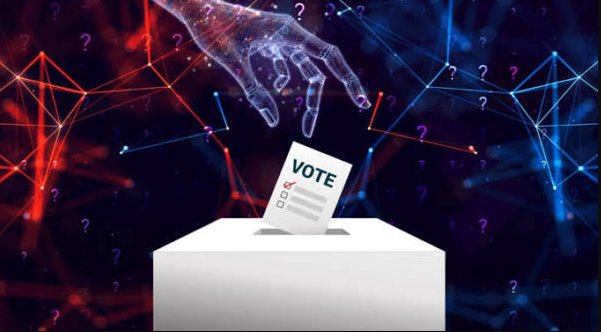
Election information has always been vulnerable to rumor, selective editing, and propaganda. Generative AI adds a new capability: political messages can now be fabricated in...
AI Voice Cloning Scams: Why a Familiar Voice Is No Longer Proof of Identity
A phone call begins with a familiar voice. It sounds like a relative, manager, client, or colleague. The caller says there has been an emergency...
How to Spot a Deepfake: A Verification Checklist for Images, Video, and Audio
The most common mistake people make when examining a suspicious piece of media is looking for one obvious flaw. They search for distorted fingers, strange...